The Five-Pillar Approach: Why Single Strategies Fail and Comprehensive Approaches Succeed
If improving blood sugar naturally were as simple as "eat less sugar," the 133 million Americans with diabetes or prediabetes would have solved the problem long ago. Blood sugar regulation involves a complex interplay of exercise physiology, dietary biochemistry, hormonal balance, sleep architecture, and cellular nutrient status. Meaningful, lasting improvement requires addressing multiple factors simultaneously — not just one piece of the puzzle.
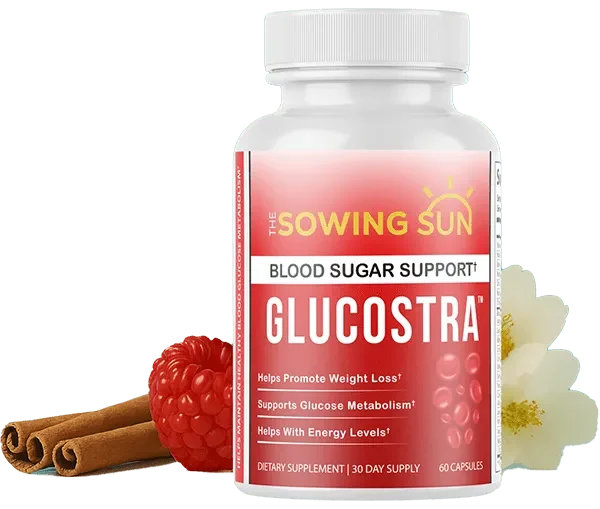
Research from the Mayo Clinic, Cleveland Clinic, and Johns Hopkins consistently confirms that multi-strategy approaches produce 2-4 times greater blood sugar improvements than any single intervention alone. Someone who only exercises, or only diets, or only supplements will see partial improvement — but far less than someone who combines all three effectively. This guide presents the five evidence-based pillars that together produce the most rapid and sustainable natural blood sugar improvements possible. Targeted supplementation from GlucoStra's multi-pathway formula featuring gymnema sylvestre, cinnamon bark, chromium picolinate, and additional clinically studied botanicals amplifies every other pillar's effectiveness by addressing the biochemical pathways that lifestyle changes alone cannot reach.

Pillar 1: Strategic Exercise — The Most Powerful Immediate Intervention
Exercise produces both immediate and long-term blood sugar improvements through mechanisms no supplement, diet, or medication can fully replicate. It is the foundation of every successful natural blood sugar strategy.
Post-Meal Walking: The Simplest, Most Effective Strategy
Research confirms even a 5-minute walk after eating measurably reduces post-meal blood sugar spikes, with beneficial effects through a 60-90 minute window following meals. Walking activates skeletal muscle glucose uptake through GLUT-4 translocation — an insulin-independent pathway that pulls glucose directly from the bloodstream into muscle cells. This is the single easiest, most accessible blood sugar intervention available: walk for 5-15 minutes after every meal. No gym membership required. Immediate, measurable results from day one.
Resistance Training: Building Your Permanent Glucose Disposal System
Muscle tissue is the body's primary glucose disposal site — the more muscle mass you maintain, the more glucose your body can absorb from the bloodstream at any given moment, even at rest. Resistance training increases both muscle mass and GLUT-4 transporter density within that muscle, dramatically improving your glucose clearance capacity around the clock. Working out 3-5 days per week creates both immediate insulin sensitivity improvements and long-term metabolic infrastructure that supports blood sugar management permanently.
150 Minutes Weekly: The Clinical Threshold for Meaningful Improvement
Research recommends at least 150 minutes of moderate exercise or 75 minutes of vigorous exercise per week — approximately 30 minutes of moderate activity 5 days per week. This threshold improves insulin sensitivity by 40-60%, a massive metabolic shift that reduces fasting glucose, improves post-meal glucose clearance, and supports long-term A1C reduction. The critical finding: consistency matters far more than intensity. Daily moderate walks produce better sustained results than sporadic intense workouts for long-term blood sugar management.
Pillar 2: Strategic Nutrition — Control What Enters Your Bloodstream
Dietary strategy is not about deprivation — it is about controlling the rate and amount of glucose entering your bloodstream through proven eating patterns that cost nothing and work immediately.
Food Ordering: Vegetables First, Protein Second, Carbs Last
UCLA Health research confirms eating vegetables and protein before carbohydrates reduces post-meal blood sugar by up to 40% — even with identical food quantities. Fiber and protein create a physical buffer slowing carbohydrate digestion, allowing glucose to enter the bloodstream gradually. Combined with GlucoStra's cinnamon and white mulberry addressing the same absorption window through different mechanisms, food ordering becomes one layer of a comprehensive post-meal management system.
Fiber Loading: 25-35 Grams Daily for Sustained Absorption Control
Soluble fiber forms a gel that slows glucose absorption dramatically. A meta-analysis found 13 grams of viscous fiber daily significantly reduces both fasting blood sugar and A1C levels. Prioritize oats, legumes, vegetables, psyllium husk, and whole grains. Fiber also feeds beneficial gut bacteria producing short-chain fatty acids that support insulin sensitivity — creating a positive metabolic feedback loop that improves blood sugar management from multiple biological angles simultaneously.
Protein-Carb Pairing: Equal Portions at Every Single Meal
Mass General Brigham research confirms balanced meals with equal protein-to-carbohydrate ratios produce significantly lower post-meal glucose than carb-heavy meals. Adding protein or healthy fats to every carbohydrate serving slows digestion and moderates the insulin response. This simple ratio adjustment prevents the sharp glucose spikes that cause energy crashes, brain fog, and progressive insulin resistance — and it works from the very first properly balanced meal.
Choice
GlucoStra — The Supplementation Pillar That Amplifies Every Other Strategy
Exercise improves insulin sensitivity. Diet controls glucose input. But targeted supplementation with GlucoStra addresses the biochemical pathways that lifestyle changes cannot directly reach — insulin receptor optimization via chromium picolinate, beta-cell regeneration via gymnema sylvestre, enzymatic absorption control via white mulberry leaf, and insulin-mimetic glucose clearance via bitter melon. Think of GlucoStra as the biochemical amplifier that maximizes the return on every other natural blood sugar strategy you implement.
Pillar 3: Targeted Supplementation — Address What Lifestyle Cannot Reach
Exercise and diet are essential foundations, but they cannot directly regenerate beta cells, enhance insulin receptor signaling at the molecular level, or inhibit carbohydrate-digesting enzymes. These biochemical interventions require targeted nutritional compounds.

Gymnema Sylvestre — Triple-Action Metabolic Support
What It Does That Lifestyle Cannot: Blocks taste bud sugar receptors to reduce cravings by up to 50% (behavioral intervention), inhibits intestinal glucose absorption receptors (digestive intervention), and stimulates pancreatic beta-cell regeneration (regenerative intervention). No amount of exercise or diet modification can replicate gymnema's unique capacity to regenerate insulin-producing cells. A meta-analysis of 10 studies confirms significant glucose and HbA1c reduction.
200-800mg daily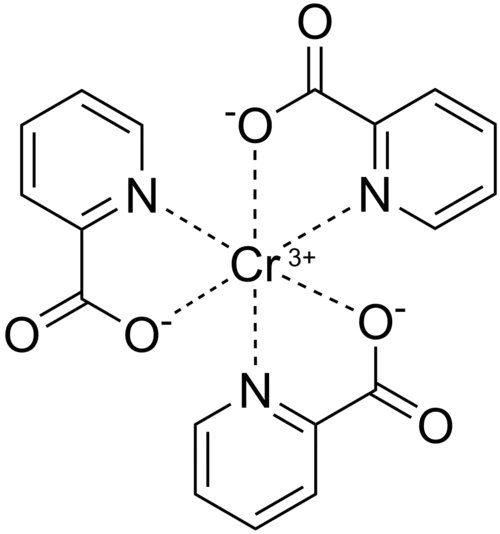
Chromium Picolinate — Insulin Receptor Optimization
What It Does That Lifestyle Cannot: Directly enhances insulin receptor sensitivity and GLUT-4 transporter density at the cell surface — improving the efficiency of every insulin molecule your pancreas produces. While exercise improves insulin sensitivity generally, chromium specifically optimizes the molecular receptor signaling machinery. FDA-recognized health claim for insulin resistance. A 2022 meta-analysis of 16 studies confirms 0.55% HbA1c reduction — meaningful clinical improvement.
200-1000mcg daily
Cinnamon Bark Extract — Enzymatic Absorption Control
What It Does That Lifestyle Cannot: Slows gastric emptying and carbohydrate digestion at the enzymatic level — providing absorption control beyond what dietary fiber alone achieves. Cinnamon works synergistically with dietary fiber, creating an additional absorption barrier that further flattens post-meal glucose curves. A review of 16 studies confirms 19.26 mg/dL fasting glucose reduction. Combined with food ordering, the multi-layer absorption control is comprehensive.
500-2000mg daily
Banaba Leaf — Rapid Insulin-Independent Glucose Clearance
What It Does That Lifestyle Cannot: Activates glucose transporters through a mechanism independent of both insulin and exercise-induced GLUT-4 translocation, providing a third distinct pathway for glucose clearance. Clinical studies show up to 30% post-meal glucose reduction within 2 hours. This rapid action complements slower-onset benefits of exercise-induced insulin sensitivity, ensuring blood sugar management coverage across all timeframes and metabolic conditions.
32-48mg daily
Bitter Melon — Insulin-Mimetic Glucose Support
What It Does That Lifestyle Cannot: Contains polypeptide-p that mimics insulin's glucose-lowering action through a completely independent pathway. No exercise protocol or dietary strategy can replicate this insulin-mimetic mechanism. For people with advanced insulin resistance where natural insulin is insufficient, bitter melon provides supplemental glucose-lowering activity while other strategies work on improving the underlying metabolic dysfunction over time.
500-2000mg daily
White Mulberry Leaf — Carbohydrate Enzyme Inhibition
What It Does That Lifestyle Cannot: Contains DNJ that blocks alpha-glucosidase enzymes responsible for breaking complex carbs into absorbable glucose — the same mechanism as prescription acarbose. While dietary fiber physically slows glucose absorption, white mulberry chemically prevents carbohydrate breakdown at the enzymatic level. Together with cinnamon and gymnema, this creates GlucoStra's unique three-layer absorption control system that no lifestyle modification can replicate.
250-1000mg daily💡 Key Takeaway
The most effective natural blood sugar improvement strategy combines lifestyle foundations (exercise, diet, sleep, stress management) with targeted supplementation that addresses biochemical pathways lifestyle alone cannot reach. GlucoStra delivers clinically studied ingredients targeting insulin receptor optimization, beta-cell regeneration, enzymatic absorption control, and insulin-mimetic glucose clearance — amplifying every lifestyle intervention for maximum combined results that neither approach achieves independently.
Amplify Your Natural Blood Sugar Improvement With GlucoStra
- Clinically studied ingredients for biochemical support
- Addresses pathways lifestyle changes cannot reach
- GMP-certified, FDA-registered facility in USA
- Full label transparency — no proprietary blends
- 4.8/5 verified customer rating




Pillars 4 and 5: Sleep and Stress — The Hidden Blood Sugar Regulators
Sleep and stress are the most underestimated blood sugar factors. Neglecting either can completely undermine the benefits of perfect diet, exercise, and supplementation.
Sleep: 7-8 Hours Protects Insulin Sensitivity Overnight
Even one night of poor sleep reduces insulin sensitivity by up to 25% and elevates cortisol — both directly increasing morning glucose readings. Chronic sleep deprivation creates a vicious cycle: high glucose impairs sleep, which worsens insulin resistance, which further elevates glucose. Prioritizing 7-8 hours of consistent sleep ensures GlucoStra's insulin-sensitizing ingredients can function at maximum effectiveness during the critical overnight fasting window that determines morning readings.
Stress Management: Lower Cortisol Means Lower Glucose
Chronic stress elevates cortisol, directly triggering liver glucose production and impairing insulin sensitivity. An analysis of 28 studies found yoga and qigong reduced fasting blood sugar and HbA1c more than medication alone when practiced consistently. Even 10 minutes of daily deep breathing provides measurable cortisol reduction that translates to lower glucose readings. Unmanaged stress can negate blood sugar benefits of exercise, diet, and supplementation combined.
Hydration: Water Supports Glucose Clearance
Adequate water intake helps kidneys filter excess glucose through urine and maintains blood volume for optimal insulin delivery. Research shows well-hydrated individuals have lower blood sugar risk than those chronically dehydrated. Replacing sugary beverages with water provides dual benefit — removing a hidden glucose source while supporting kidney glucose clearance. Aim for 8+ glasses daily as a foundational metabolic support habit.
What Real Users Say About the Five-Pillar Approach

"I followed the five-pillar approach: 30-minute daily walks, food ordering at meals, GlucoStra every morning, 7.5 hours sleep, and evening meditation. In 10 weeks, my fasting glucose went from 155 to 110 and my A1C dropped from 6.6 to 5.8. No single change did this alone — it was the combination of all five pillars that transformed my metabolic health completely."

"I tried improving blood sugar with diet and exercise alone for over a year — modest results. Adding GlucoStra as the supplementation pillar was the catalyst that accelerated everything. Within 6 weeks of adding the supplement to my existing routine, my fasting glucose dropped an additional 25 points. The biochemical support clearly addresses pathways that lifestyle alone was missing."

"The sleep and stress pillars were game-changers for me. I was exercising hard and eating clean but barely seeing improvement. When I prioritized 8 hours sleep, started evening breathing exercises, and added GlucoStra, everything shifted within weeks. My doctor said my improvement was among the most dramatic she has seen through natural approaches. All five pillars working together was the key."
Frequently Asked Questions
What is the fastest way to improve blood sugar naturally?
+Exercise is the single fastest natural blood sugar intervention — a walking session lowers glucose within minutes by driving insulin-independent glucose uptake into muscle cells. For the fastest sustained improvement, combine daily post-meal walking with food ordering (vegetables first, protein second, carbs last) and start a multi-ingredient supplement like GlucoStra featuring gymnema sylvestre, cinnamon bark, and chromium picolinate. Most users implementing all three strategies simultaneously see meaningful fasting glucose improvements within 2-4 weeks — faster than any single strategy achieves alone.
Can you improve blood sugar without medication?
+Many people significantly improve blood sugar through natural approaches. Research shows 150 minutes of weekly exercise improves insulin sensitivity by 40-60%, even a 5% weight reduction measurably improves glucose regulation, and clinically studied supplements like those in GlucoStra produce meaningful blood sugar reductions. Gymnema sylvestre, chromium picolinate, and cinnamon bark each have strong individual evidence, and their combination in GlucoStra targets all four glucose pathways simultaneously. However, never discontinue prescribed medication without physician guidance — natural approaches complement medical treatment.
What foods help improve blood sugar the most?
+The highest-impact dietary strategies include: eating vegetables and protein before carbohydrates at every meal (reduces post-meal spikes by up to 40%), increasing soluble fiber to 25-35 grams daily (oats, legumes, vegetables), pairing protein or healthy fats with every carbohydrate serving, apple cider vinegar with meals (1-2 tablespoons), and replacing sugary beverages with water. These dietary strategies work synergistically with GlucoStra's supplementation — diet controls glucose input while the supplement optimizes how your body processes and clears that glucose at the cellular level.
How much exercise improves blood sugar?
+Research recommends at least 150 minutes of moderate exercise or 75 minutes of vigorous exercise per week. Even 5-minute walks after meals measurably reduce post-meal glucose through a 60-90 minute beneficial window. Resistance training 2-3 times weekly is particularly effective as increased muscle mass acts as a permanent glucose disposal site. The key research finding: consistency matters more than intensity. Daily moderate walking outperforms sporadic intense workouts. When combined with GlucoStra supplementation, exercise and supplementation amplify each other's metabolic effects significantly.
Do supplements help improve blood sugar naturally?
+Yes — when they contain clinically studied ingredients at research-validated doses. Gymnema sylvestre significantly reduces fasting glucose, post-meal glucose, and HbA1c in a meta-analysis of 10 studies. Chromium picolinate has FDA-recognized insulin sensitivity claims with 0.55% HbA1c reduction in 16 studies. Cinnamon reduces fasting glucose by 19 mg/dL in 16 studies. These supplements address biochemical pathways that lifestyle changes cannot directly reach. GlucoStra combines these with bitter melon, banaba leaf, and white mulberry leaf for comprehensive multi-pathway glucose support that amplifies exercise and dietary benefits.
How long does it take to improve blood sugar naturally?
+Timeline varies by intervention: exercise provides immediate glucose-lowering effects during and after activity. Dietary changes show measurable impact within 1-2 weeks. Supplements like those in GlucoStra typically show fasting glucose improvements within 2-4 weeks. Sleep and stress improvements take 1-2 weeks to measurably affect blood sugar. Full A1C improvements require 8-12 weeks of consistent effort across all five pillars. The combined approach of exercise, strategic nutrition, GlucoStra supplementation, quality sleep, and stress management produces the fastest comprehensive results — most users report meaningful improvements within 4-6 weeks.
Related Articles

Complete Your Five-Pillar Strategy With GlucoStra
Exercise, diet, sleep, and stress management provide the lifestyle foundation. GlucoStra delivers the biochemical support that amplifies every other pillar — clinically studied ingredients targeting insulin receptor optimization, beta-cell regeneration, enzymatic absorption control, and insulin-mimetic glucose clearance. Full label transparency, GMP-certified manufacturing, and a 60-day money-back guarantee. Start your complete natural blood sugar improvement strategy today.